High Volume
Production
Automated production systems engineered for scalable, cost-efficient manufacturing with consistent quality control.
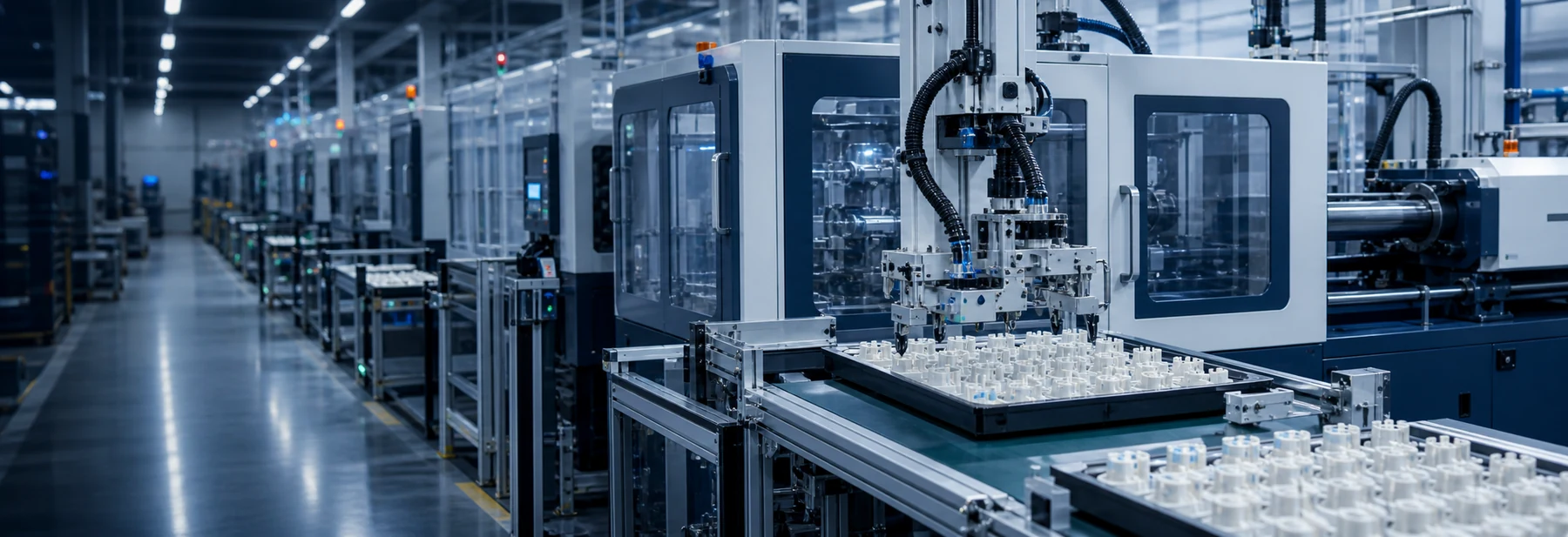
Automation
Customer-focused high volume automation that keeps moulding output predictable, reduces handoffs, and supports repeatable quality as demand scales.
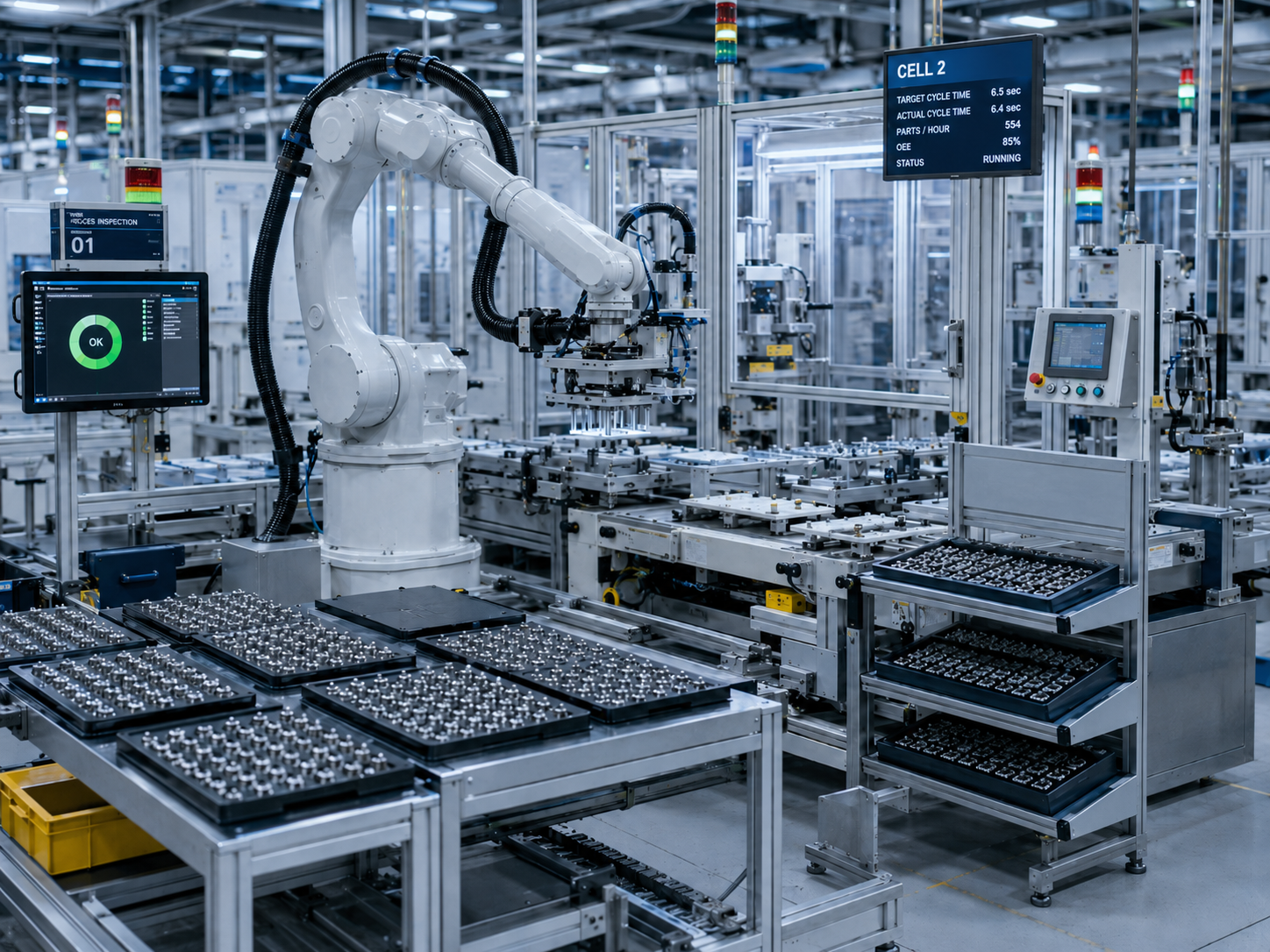
Automated Assembly Lines
Conveyorized, fixture-led assembly flow that keeps customer output stable without relying on manual handoffs.
Quality Control Systems
AI-powered inspection and quality assurance automation.
Material Handling
Automated conveyor systems and smart logistics management.
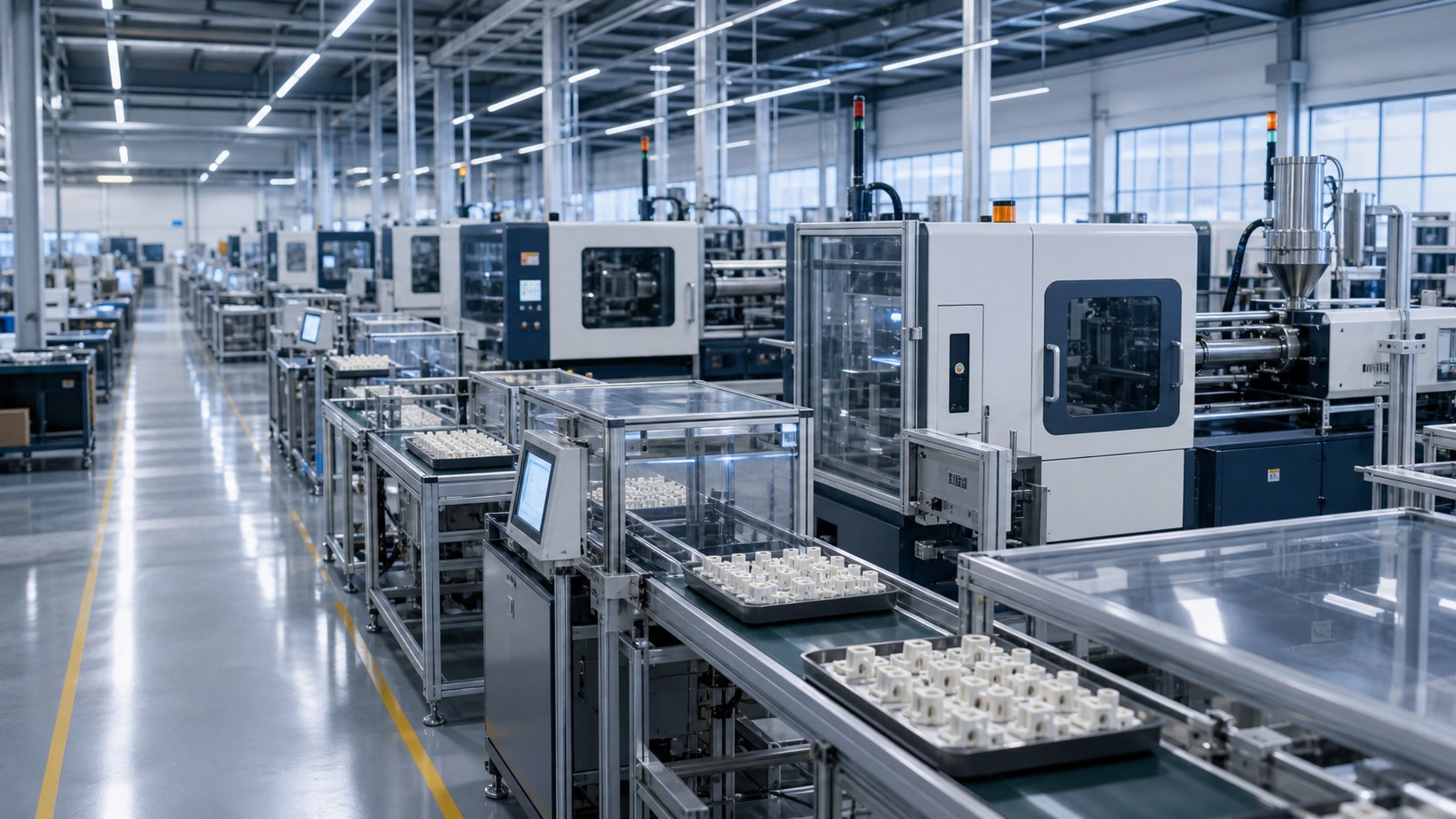
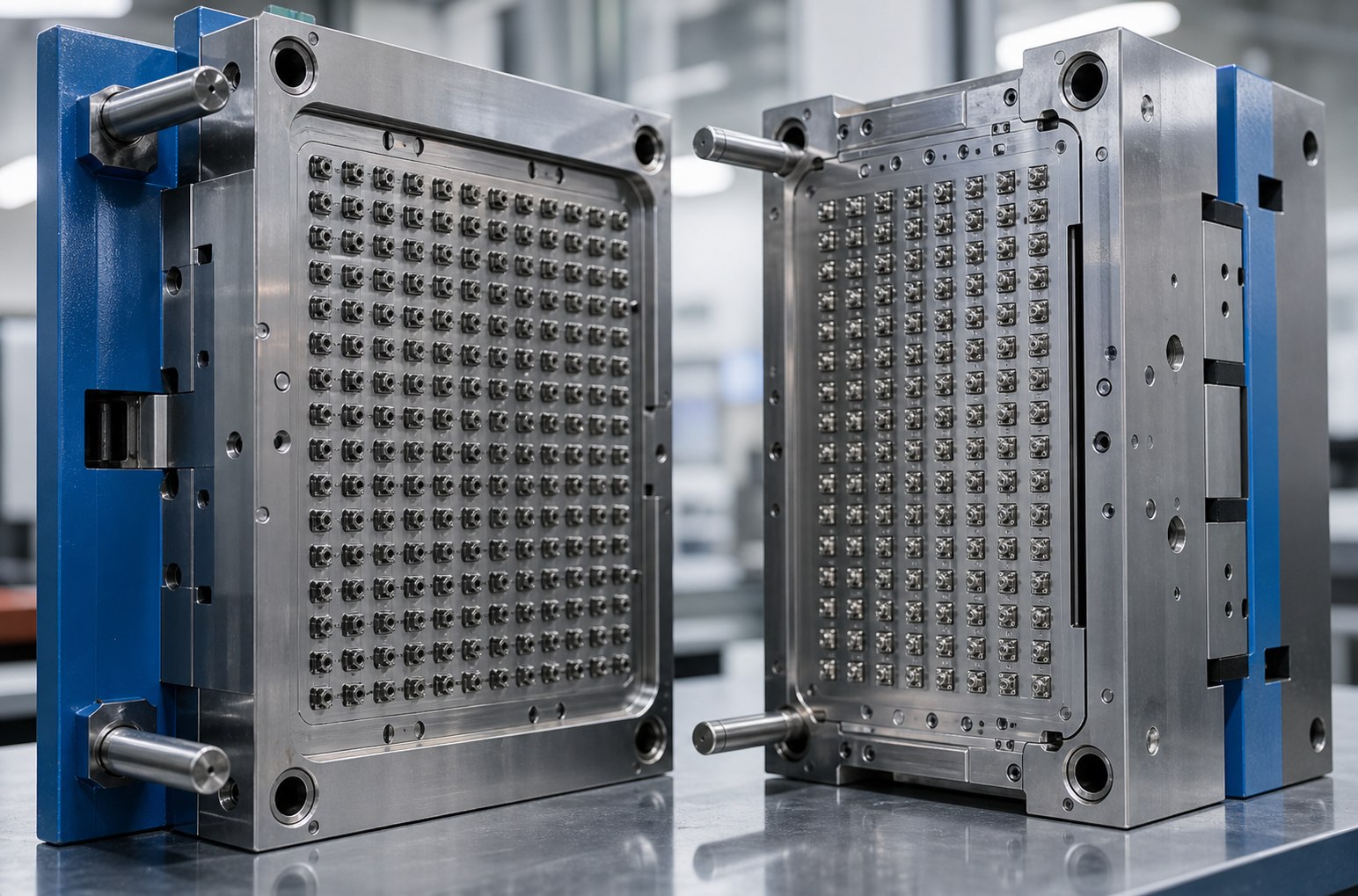
96-Cavity Tooling
Scale repeatable output with 96-cavity mould tooling engineered for balanced filling, stable cooling, and consistent part quality across every cavity.
Balanced High-Cavity Output
High-cavity tooling increases production capacity while keeping cycle time and filling behavior under control.
Cavity-to-Cavity Consistency
Precision balancing supports stable dimensions, repeatable quality, and fewer surprises during volume ramp-up.
Cost Optimization
For customers preparing for high-volume moulding, cost optimization starts with predictable output: stable cycle time, controlled scrap, planned maintenance, and clear material flow before the ramp becomes expensive.
Optimization Strategies
- Confirm the target cost per part against real yield, cycle-time, labour, material, and packaging assumptions.
- Balance automated assembly lines and inspection points so throughput increases without adding hidden rework.
- Plan preventive maintenance and tooling upkeep around delivery windows to avoid urgent recovery costs.
- Use demand, inventory, and supplier visibility to keep material availability stable during volume changes.

The High Volume Production Challenge
Problem statement: Customers scaling from pilot to high volume need stable output, predictable unit cost, and reliable delivery, but bottlenecks, cost pressure, short lead times, and environmental instability can turn volume growth into quality and supply risk.
Production Bottlenecks
Uneven cycle times, manual handoffs, and constrained fixtures can slow the line and make customer output targets harder to protect.
Cost Pressure
Material, labour, energy, scrap, and recovery work can push unit cost upward when the production system is not designed around real yield visibility.
Schedule Volatility
Changing demand and short delivery windows require faster response without quality drift, excessive overtime, or last-minute recovery plans.
Environmental Instability
Temperature, humidity, material condition, and handling variation can affect moulding consistency, dimensional stability, and downstream assembly yield.
Our Approach to Solving These Challenges
Fu Yu builds the production response around the customer's risk profile: required output, target unit cost, delivery window, quality standard, and process environment controls.
Remove Bottlenecks
Map cycle time, material movement, fixture loading, and inspection queues, then automate the handoffs that limit customer output.
Control Cost Drivers
Design around yield, scrap, maintenance, labour, packaging, and supply assumptions so unit cost stays visible during ramp-up.
Protect Delivery Schedules
Align tooling capacity, line balancing, and preventive maintenance with forecast demand to reduce urgent recovery work.
Stabilize the Process Environment
Define process windows for temperature, humidity, material condition, and handling so moulding consistency is protected across shifts.