Plastic Injection Moulding
(PIM)
Scientific moulding backed by advanced simulation, mold-flow analysis, and cleanroom capabilities for precision manufacturing across all industries.
Get Quote
What is Plastic Injection Moulding?
PIM is a cyclic manufacturing method where molten plastic is forced under high pressure into a custom-designed metal mold. Once the material cools and solidifies into the shape of the cavity, the mold opens to eject the finished part. This process is prized for its ability to produce thousands of identical, complex components with high dimensional accuracy and minimal waste.
Clamp
Inject
Pack/Dwell/Hold
Cool
Open
Eject
| Stage | Duration | Purpose |
|---|---|---|
| 1. Clamping | 1 - 5 Seconds | Secures the two halves of the mold under tons of pressure. |
| 2. Injection | 1 - 10 Seconds | The screw moves forward to push molten resin into the cavity. |
| 3. Packing/ Dwelling/ Hold | 2 - 15 Seconds | Maintains pressure to ensure the cavity is completely filled. |
| 4. Cooling | 10 - 60+ Seconds | The longest stage; allows the part to solidify. |
| 5. Opening | 1 - 5 Seconds | The moving platen separates the mold halves. |
| 6. Ejection | 1 - 5 Seconds | Mechanical pins push the part out of the mold. |
Scientific Moulding Capabilities
Combining traditional expertise with cutting-edge technology for precision manufacturing
Data Analytics
Real-time process monitoring with statistical analysis and predictive insights
Simulation
Advanced mold-flow analysis and thermal simulation for optimal design
Cleanroom
ISO-certified controlled environments for medical and electronics applications
Precision
Micron-level accuracy with automated quality control systems
Why we run Simulation before production
Risk Mitigation
Identifies potential design flaws early in the process, preventing costly changes after significant investment has been made.
Digital Prototyping
Provides mold makers and engineers with accurate digital models, reducing the need for physical trials.
Efficiency
Accelerates "time-to-market" by minimizing changes after molds are manufactured.
Interoperability
Works in tandem with other analysis software tools to check for mechanical stress and warpage.
Integrated Solutions
Modern platforms (like Autodesk Fusion) consolidate these tools into a single workflow to solve complex engineering challenges more quickly.
| Defect | Likely Cause for why | Fix |
|---|---|---|
| 1. Sink Marks | Insufficient Dwelling/ Packing pressure/time | Increase hold pressure or time. |
| 2. Warping | Non-Uniform Cooling | Redesign for uniform wall thickness. |
| 3. Flash | Insufficient Clamping force | Increase tonnage or repair mold seal. |
| 4. Burn Marks | Trapped Air (Gas Traps) | Increase/improve mold venting |
How you can trust us
Cleanroom Production
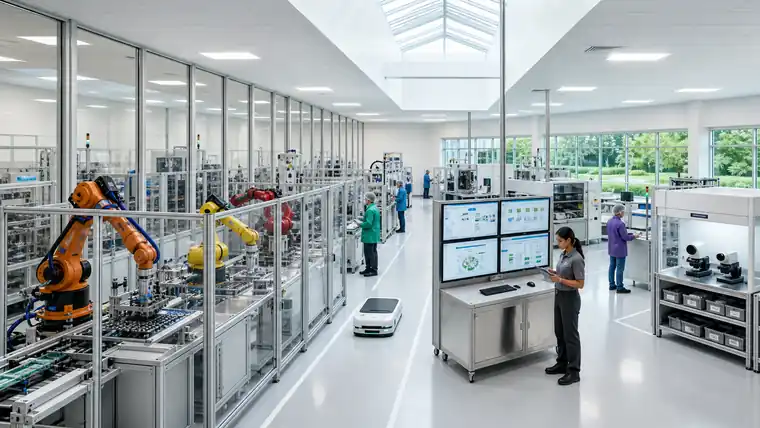
Additionally, our production takes place in class 100K Cleanrooms, ensuring stringent hygiene standards and impeccable manufacturing environments for sensitive applications.
Want to learn about the Plastic Injection Moulding Process?
Click on the button below to learn more about Plastic Injection Moulding
Plastic Injection Moulding Process