
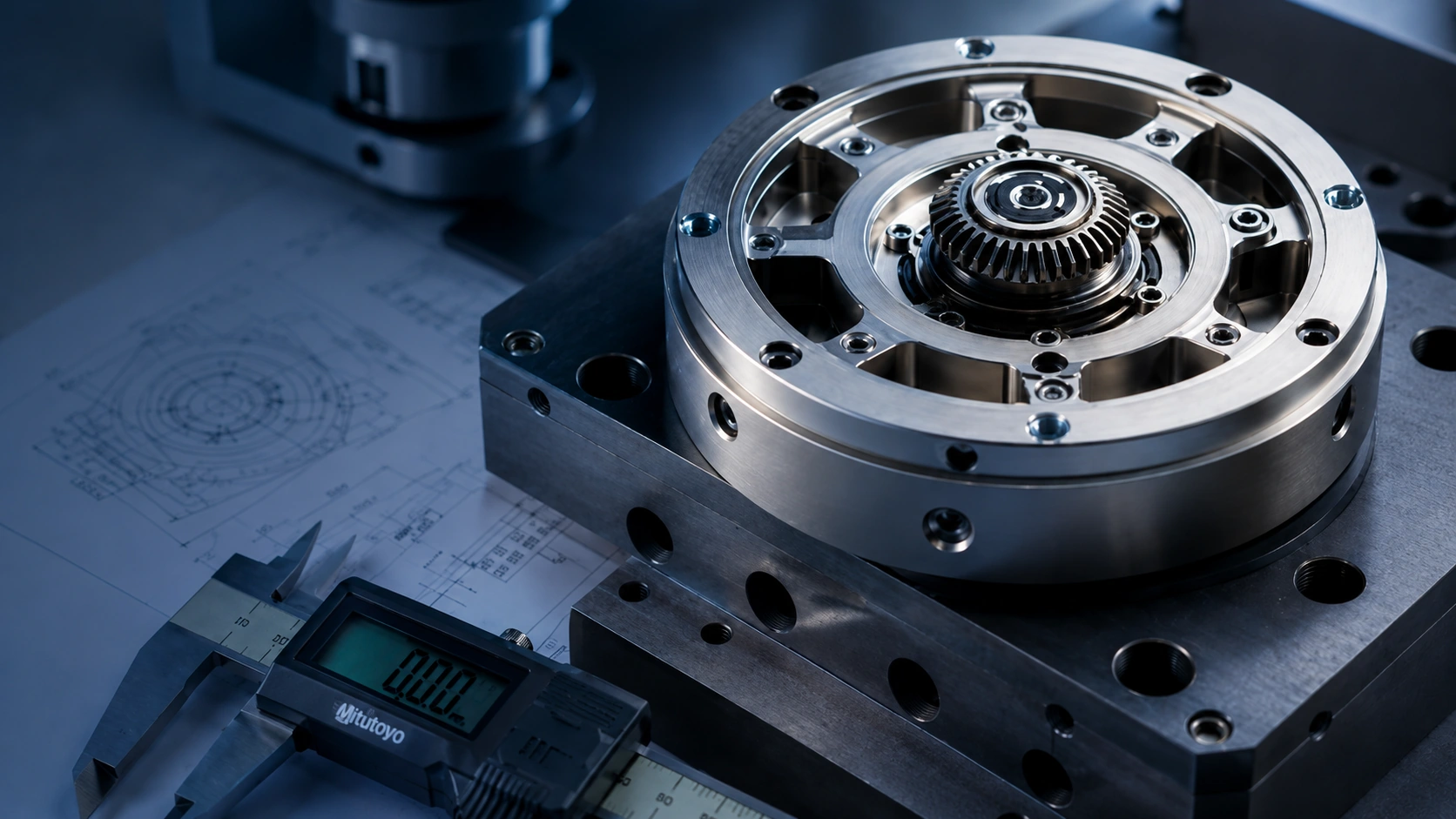
High Precision
Components
When sub-micron variation can affect fit, function, or yield, Fu Yu helps turn critical tolerances into manufacturable medical device, precision mould, optical, and tight-tolerance components.
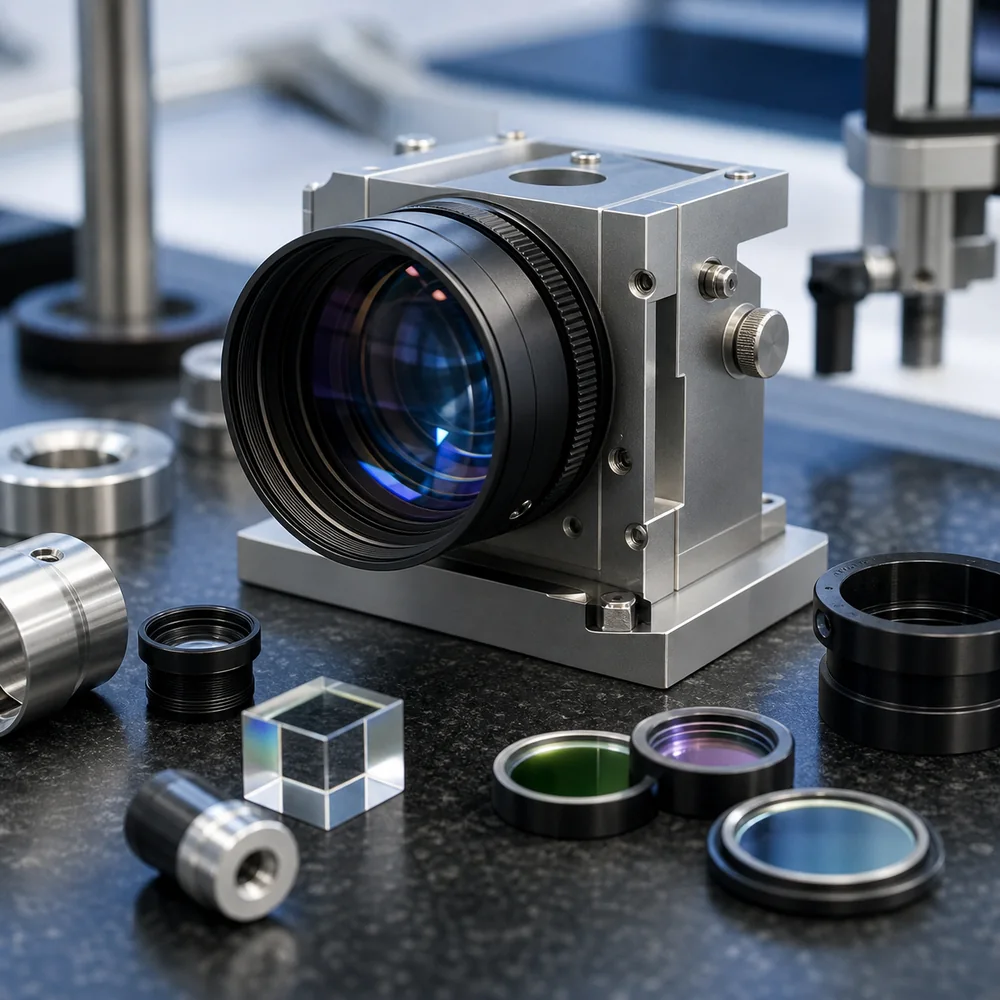
Optical Components
Tiny shifts in lens seating, surface finish, or particulate control can reduce optical performance before the final assembly is even tested. Fu Yu addresses this with controlled tooling, datum-led component design, and inspection-driven production.
- Lens barrels, optical housings, prisms, and alignment features
- Surface finish, flatness, and fit control for repeatable assemblies
- Inspection support for optical and sensor module integration
Medical Device Components
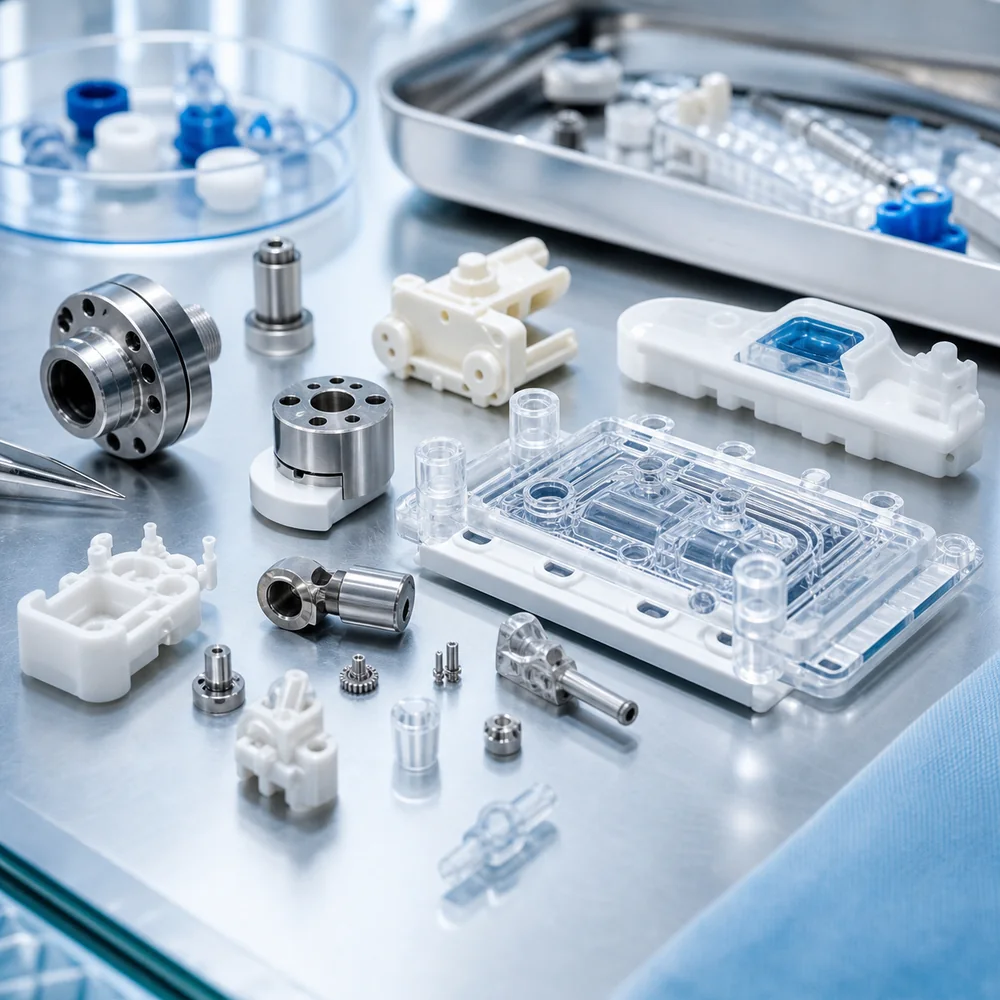
Miniature medical products fail when plastic, metal, and clear parts do not hold fit through assembly, handling, or validation. Fu Yu combines precision moulding, component control, and dimensional verification to support device-ready parts.
- Microfluidic, diagnostic, and compact device component features
- Miniature moulded and machined parts with controlled interfaces
- Clean handling, traceability, and inspection for critical dimensions
Precision Mould
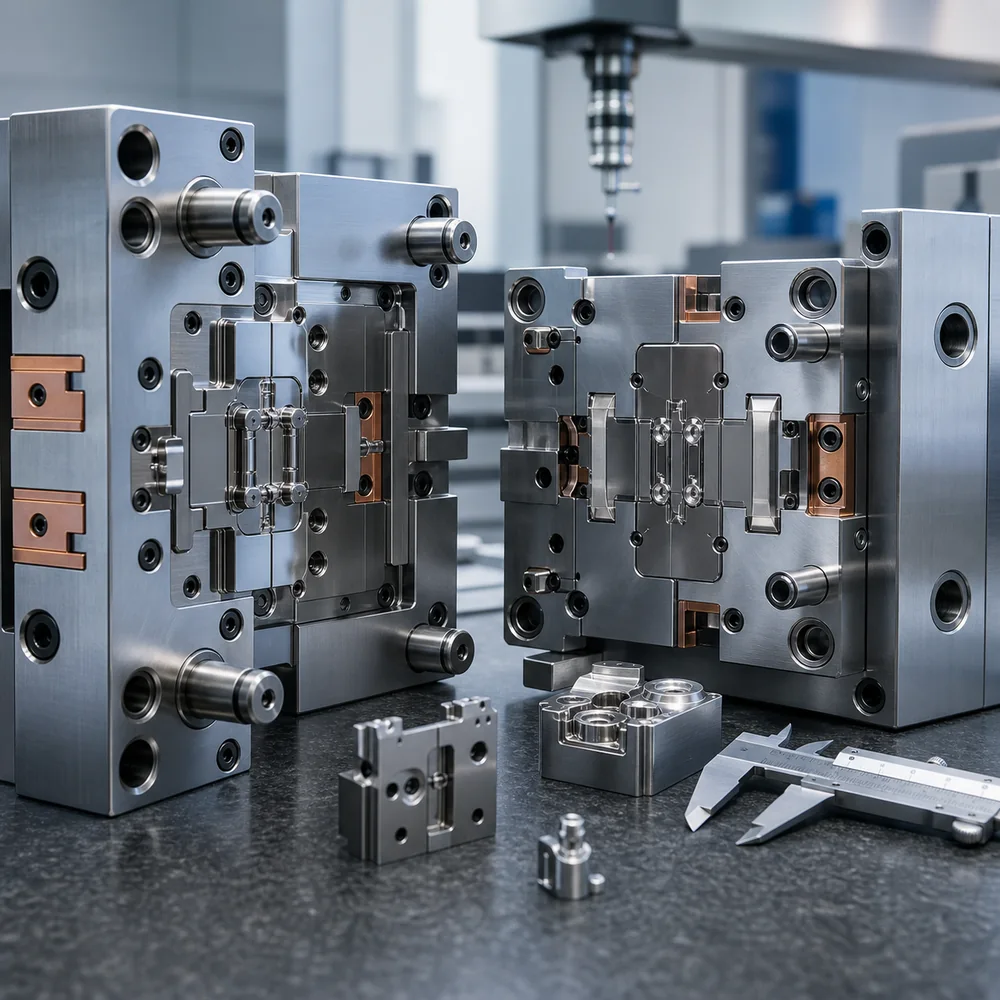
Sub-micron part variation often starts in the mould through cavity wear, datum shift, shrinkage, or flow imbalance. Fu Yu solves this at the tooling level with precision mould design, machining, polishing, and production feedback.
- Precision mould inserts, cavities, shut-offs, and alignment details
- Datum-led tooling strategy for repeatable part fit
- Tool validation linked to production inspection data
Challenges Faced at Sub-Micron Precision
At high precision, the issue seen by the customer is often only the surface symptom. This section separates the problems first, so the solution can be engineered against the real cause.
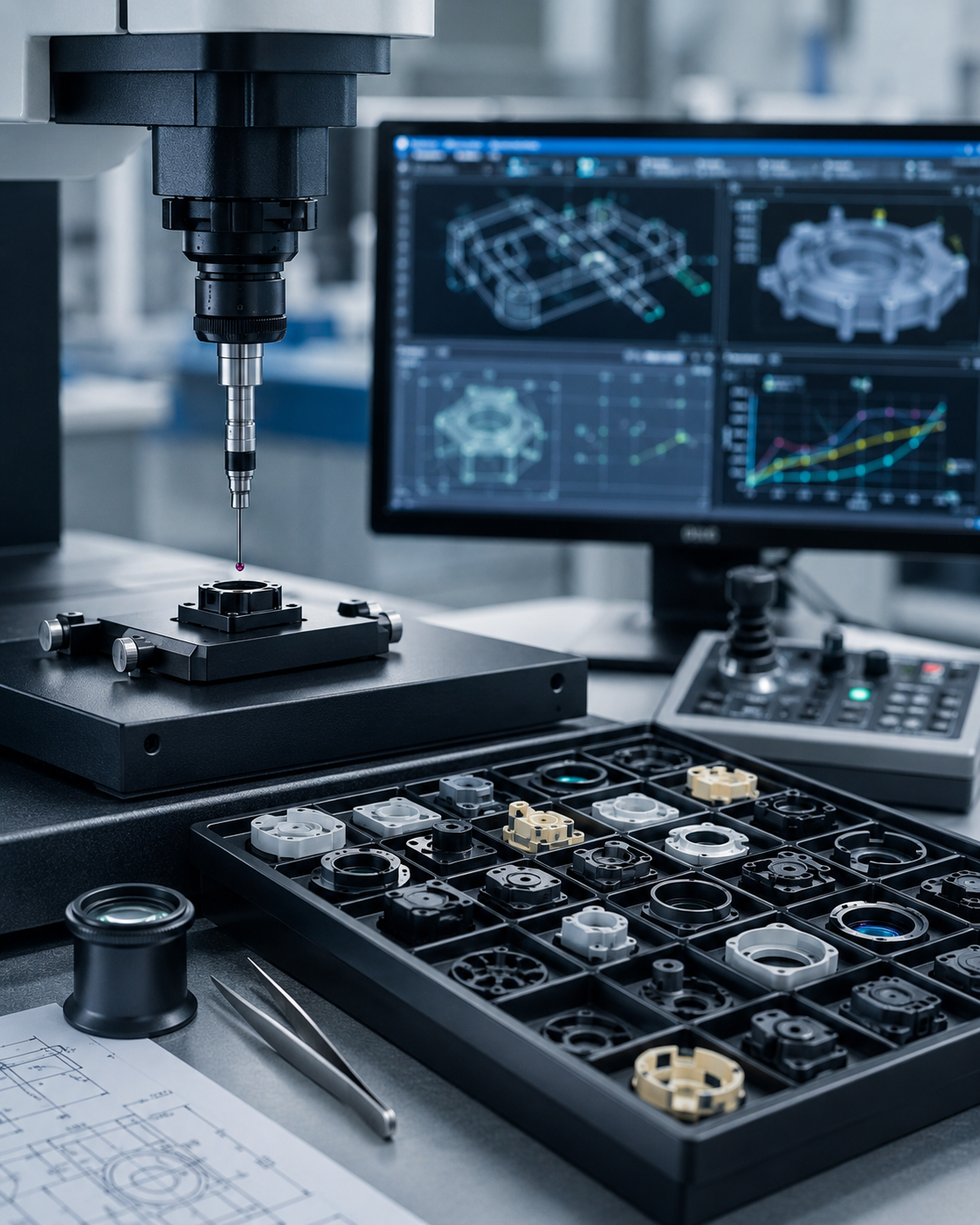
Assembly Fit Drift
Datum shift, tolerance stack-up, or shrinkage moves the usable feature and creates inconsistent assembly fit.
Surface & Optical Defects
Waviness, burrs, polish variation, or contamination affects sealing, imaging, sensing, and cosmetic acceptance.
Prototype Passes, Volume Fails
The sample performs well, but the production process is not yet capable enough to repeat the same result at scale.
Cost & Lead-Time Pressure
Late tolerance changes, over-specification, and rework loops increase cost and push production readiness further out.
Root Cause First, Solution Built to Scale
Fu Yu turns each confirmed problem into a controlled production response: define the critical feature, engineer the tool and process around it, monitor drift, and release only with inspection evidence.
Root Cause Mapping
Define the feature, datum, tolerance stack, and production risk before changing the tool or process.
Tooling & Process Control
Lock the control point into mould design, machining strategy, process window, and repeatable set-up.
In-Process Monitoring
Track drift during production through dimensional checks, process data, and early warning indicators.
Quality Release
Release only when inspection evidence confirms that the part, tool, and process are production-ready.
Core Capabilities
Precision capabilities that connect engineering, tooling, manufacturing control, and validation for repeatable high-precision components.
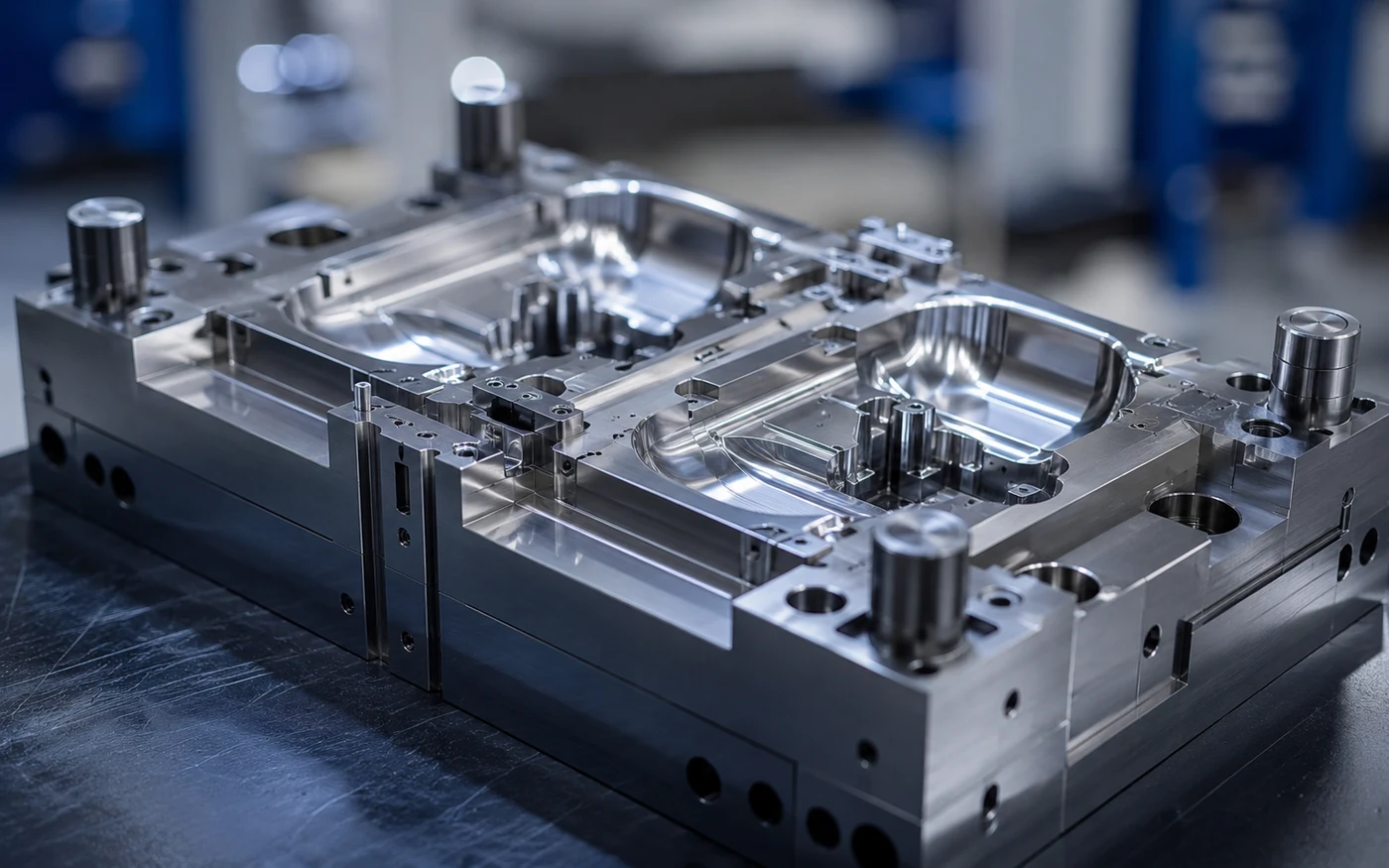
Precision Tooling
High-accuracy mould inserts, shut-offs, cavities, polishing, and alignment details built to control repeatable part geometry.
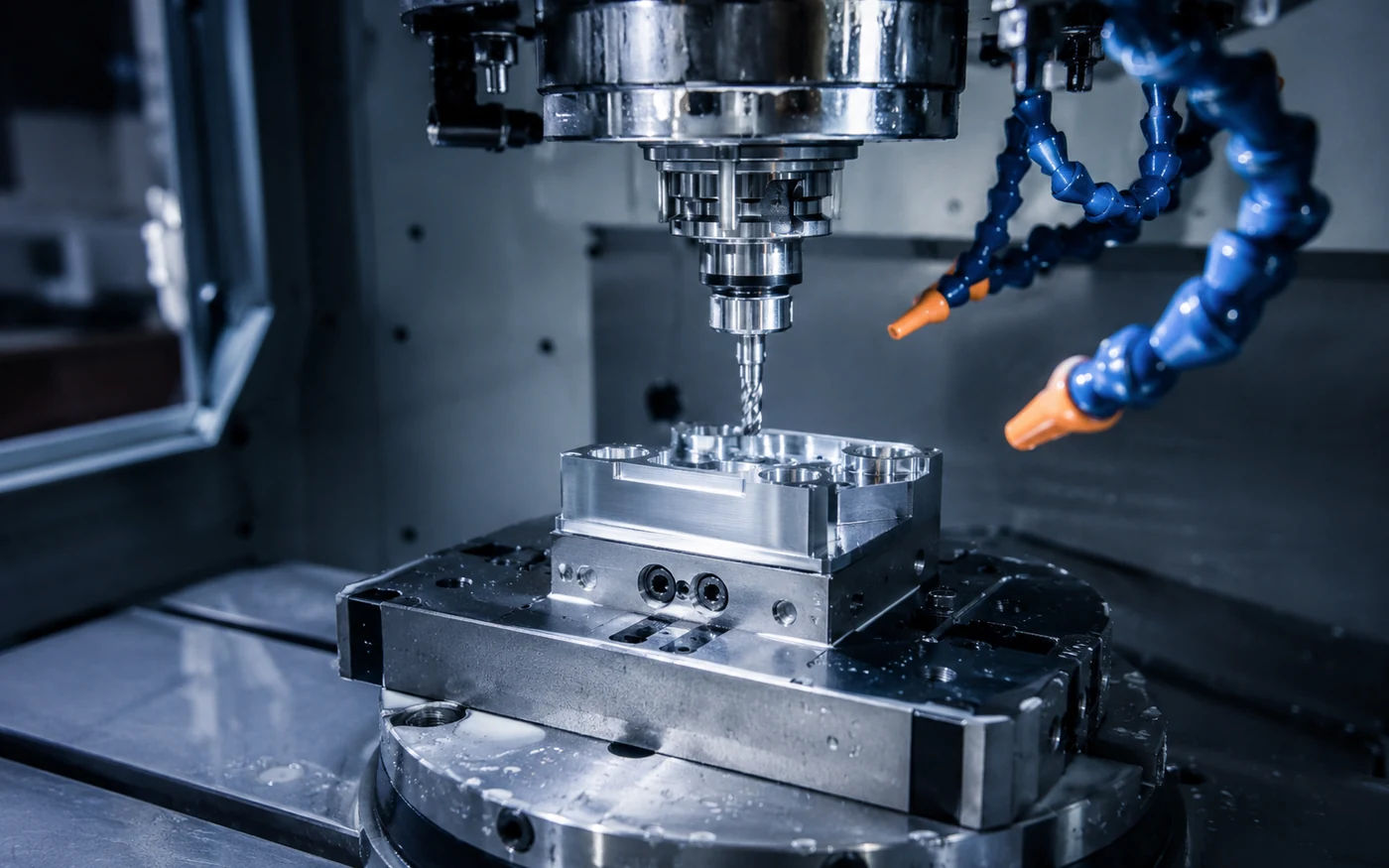
Advanced Manufacturing
CNC machining, micro-machining, EDM, and controlled moulding processes selected according to feature risk and material behaviour.
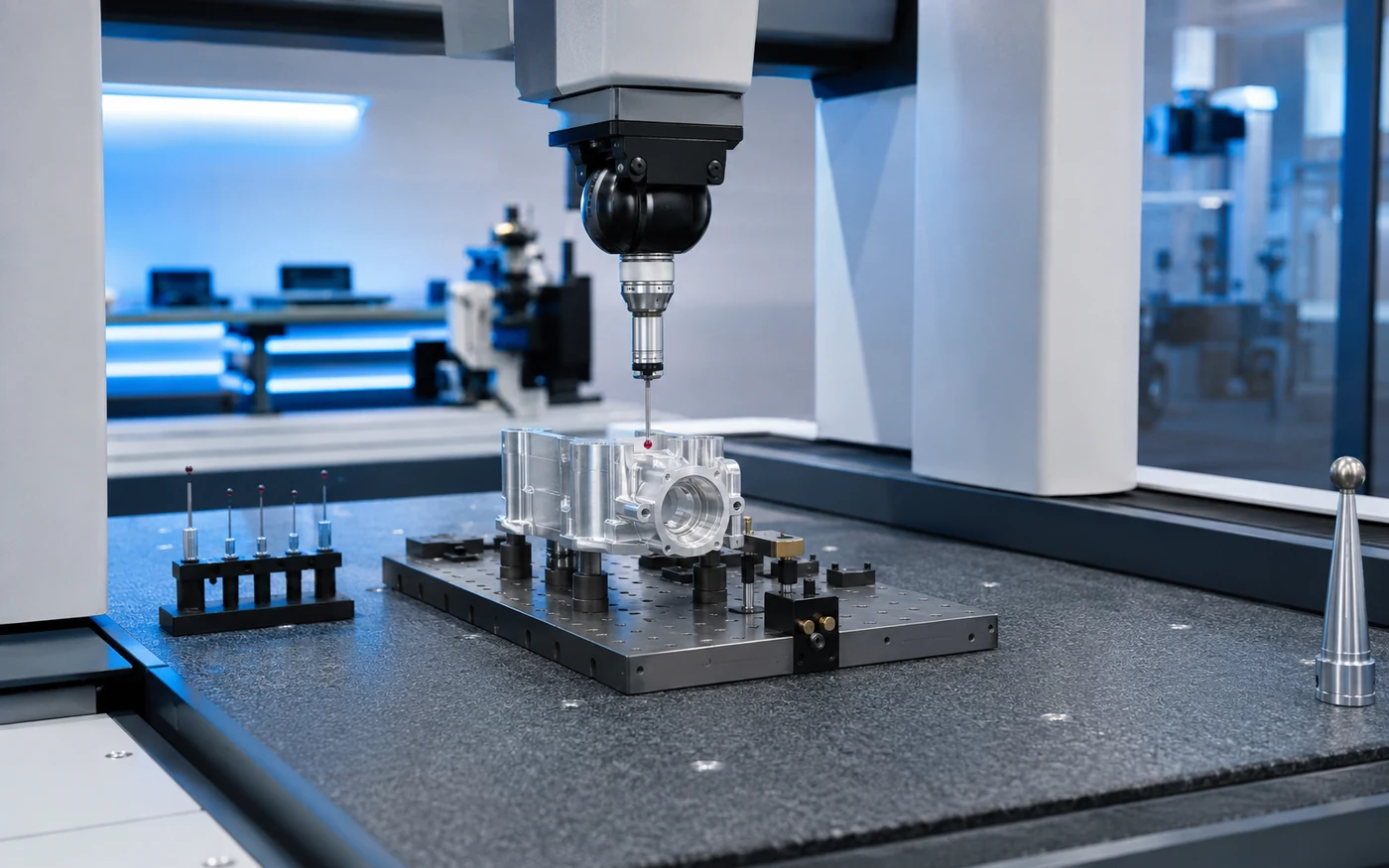
Metrology & Validation
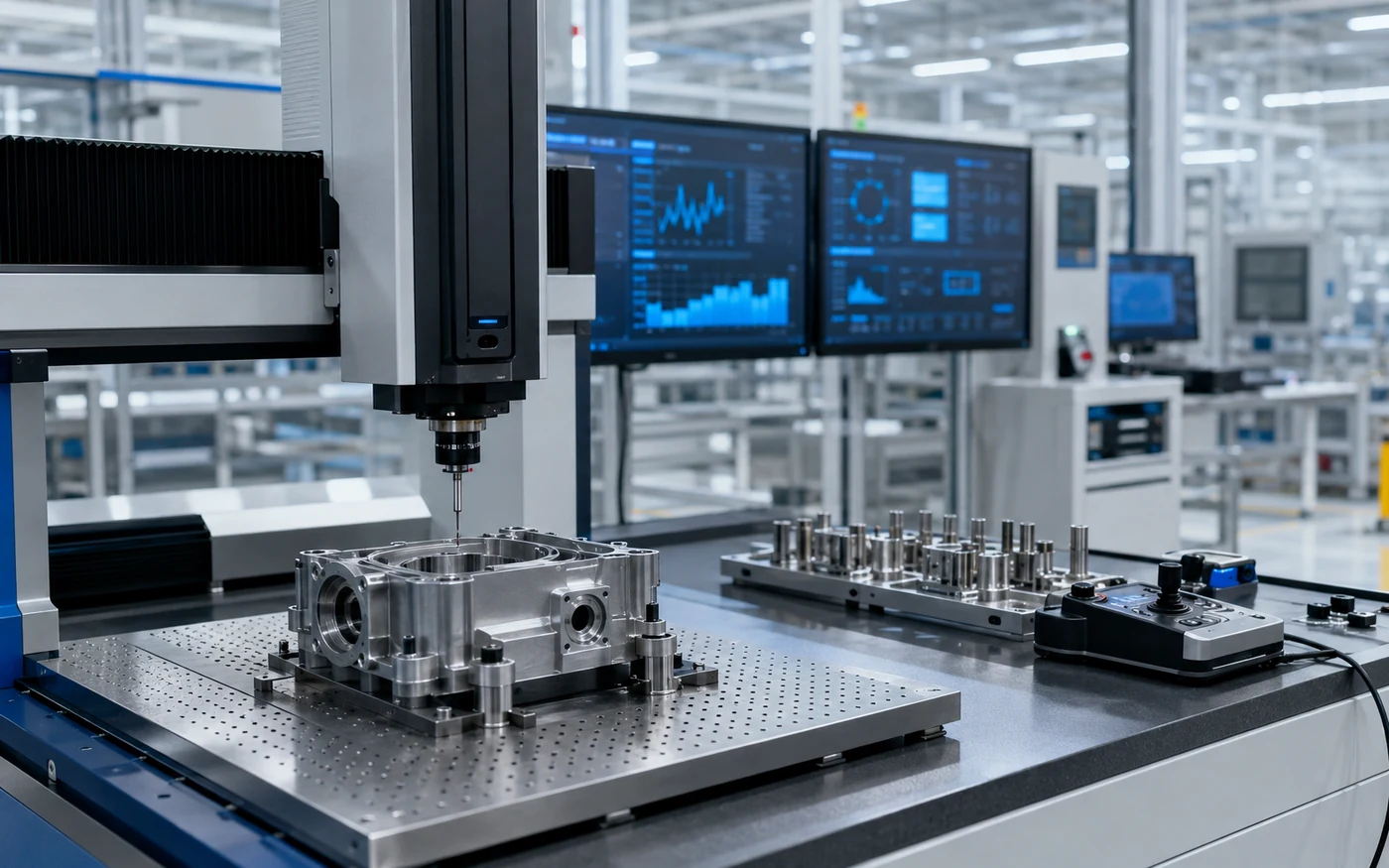
CMM, optical inspection, surface checks, and release gates confirm that the part, tool, and process meet the required tolerance window.
Ramp-Up Discipline
Process monitoring, capability studies, and quality gates help prevent prototype success from turning into volume production drift.